Advanced Analytics for 38410000, 8336411330, 5707403282, 120948292, 91641125, 662992926

Advanced analytics presents a transformative opportunity for organizations identified by 38410000, 8336411330, 5707403282, 120948292, 91641125, and 662992926. By employing predictive modeling and data visualization, these entities can convert vast amounts of raw data into clear, actionable insights. This capability is crucial for enhancing decision-making and operational efficiency across various sectors. However, the full implications of these advancements remain to be explored, particularly regarding their long-term impact on strategic growth.
Understanding Advanced Analytics
Although advanced analytics is often perceived as a complex domain, its core principles can be understood through a systematic examination of its methodologies and applications.
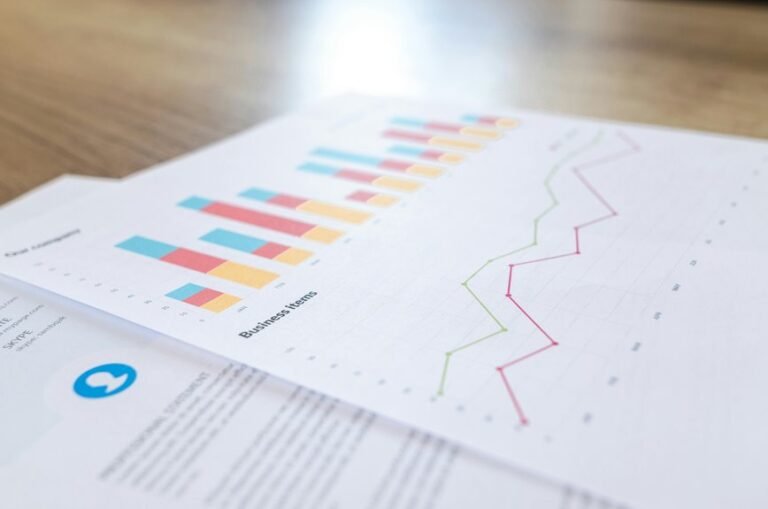
Central to this understanding are data visualization and predictive modeling. Data visualization transforms intricate datasets into comprehensible formats, while predictive modeling leverages historical data to forecast future trends, empowering organizations to make informed decisions and embrace freedom in their strategies.
Transforming Raw Data Into Insights
A substantial amount of raw data exists within organizations, yet the true value lies in its transformation into actionable insights.
Through data mining and statistical analysis, organizations can uncover patterns, while predictive modeling and machine learning enhance forecasting accuracy.
Effective data visualization aids in communicating findings, enabling informed decision-making.
Ultimately, business intelligence emerges as a crucial framework for leveraging data-driven insights for strategic freedom.
Applications Across Industries
The transformation of raw data into actionable insights has profound implications across various industries, each harnessing advanced analytics to drive innovation and efficiency.
Healthcare optimization leverages data for improved patient outcomes, while retail forecasting enhances inventory management.
Manufacturing efficiency is achieved through predictive maintenance, and financial risk is mitigated via analytics.
Additionally, customer segmentation and supply chain optimization are refined through targeted marketing analytics.
Future Trends in Data Analytics
As organizations increasingly recognize the critical role of data analytics in decision-making, emerging trends are poised to reshape the landscape of this field.
Machine learning will enhance predictive modeling capabilities, enabling more accurate forecasts and insights.
Additionally, the integration of real-time data processing will empower organizations to respond swiftly to market changes, fostering a data-driven culture that prioritizes agility and innovation.
Conclusion
In the realm of advanced analytics, organizations resembling a skilled orchestra can harmonize diverse data streams into a symphony of insights. Just as a conductor guides musicians to create a masterpiece, these entities can transform raw data into strategic growth, enhancing efficiency and decision-making. As they embrace predictive modeling and visualization techniques, they position themselves to not only anticipate trends but to navigate the complexities of a data-driven world with precision and foresight.